Understanding the Anion Gap Evaluates
The anion gap is a computed value that helps evaluate electrolytes and overall acid-base balance. It is commonly derived from a blood test such as a basic metabolic panel or a wider electrolyte panel. The result examines key charged particles in the blood, especially sodium, chloride, and bicarbonate-related ions, to estimate whether unseen acids or other factors may be affecting the body.
Clinically, the anion gap is used as part of screening and assessment for disorders that alter the body’s chemistry. A normal value usually suggests that measured ions are balanced in a typical way, while an abnormal value may point to a specific cause of metabolic acidosis or another underlying issue. Because the number is a calculation rather than a directly measured lab result, understanding the input values matters just as much as understanding the final output.
In simple terms, the anion gap helps answer a practical question: are the measured positive and negative charges in the blood lining up as expected? That idea is closely tied to electroneutrality, which means the body keeps total positive and negative charges in balance. When that balance shifts, the anion gap can provide a valuable clue during diagnosis.
How the Anion Gap Calculator Functions
An anion gap calculator uses a standard formula to generate a outcome from lab results. The classic formula is:
Anion gap = serum sodium - (serum chloride + serum bicarbonate)
This calculation includes serum sodium, serum chloride, and serum bicarbonate from lab testing. Sodium represents the main measured positive ion in the blood, while chloride and bicarbonate are key measured negative ions. The gap reflects the difference between the main cations and anions that are directly reported.
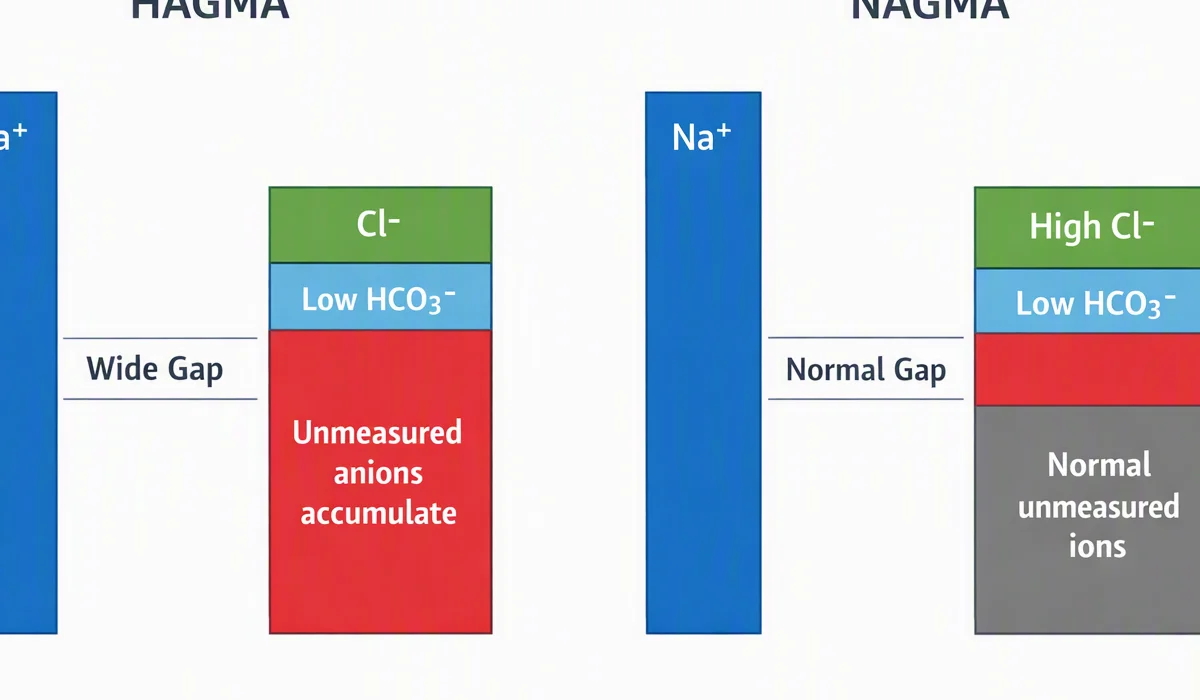
The reason this works is linked to electroneutrality. Blood must remain electrically balanced overall, so if the numbers appear to leave a gap, that gap may represent unmeasured ions such as lactate, ketones, or toxins. In that way, the anion gap is not just a mathematical calculation; it is a clinical clue about hidden processes affecting the body.
Many calculators also include a step for albumin correction because albumin is a major negatively charged protein in the blood. If albumin is low, the raw result may look falsely low. That is why the calculator may provide both an initial value and a corrected anion gap for better interpretation.
Step-by-Step Anion Gap Calculation
This is a straightforward way to follow the calculation steps followed by an anion gap calculator. This sequential approach makes the result easier to track and helps you see how each lab value influences the final number.
- Step 1: Locate the serum sodium value on the lab report. Step 2: Identify the serum chloride value. Step 3: Locate the serum bicarbonate value. Step 4: Combine chloride and bicarbonate together. Step 5: Subtract that sum from sodium. Step 6: Review the result with the lab’s reference range or normal range.
For example, if sodium is 140, chloride is 102, and bicarbonate is 24, the calculation is 140 - (102 + 24) = 14. That result would then be compared with the laboratory’s expected range. Different labs may use slightly different methods and ranges, so the same number may be interpreted differently depending on the source.
This step-by-step approach is valuable because it shows the relationship between the inputs. If chloride rises, the gap may shrink. If bicarbonate falls, the result may change in a way that suggests metabolic acidosis. If sodium changes, the entire balance shifts. Watching the pieces helps explain the clinical significance of the final value.
Typical Anion Gap Range and Meaning
The usual range for anion gap values can change by laboratory technique, but many reports place it in a fairly tight standard range. Because different analyzers and formulas may produce slightly different numbers, it is important to read the result using the range provided by the lab that processed the blood test.
A within-range finding often suggests that there is no major accumulation of hidden acids, although it does not by itself rule out every disorder. Interpretation should always consider symptoms, the rest of the electrolyte results, and the broader clinical picture. The value is best used as part of an overall assessment, not as a stand-alone diagnosis.
Albumin matters here because low albumin can lower the observed anion gap. In people with hypoalbuminemia, the measured value may appear normal or even low despite an underlying acid-base problem. That is why the corrected anion gap can be more informative than the unadjusted number.
In plain English, a normal value is comforting, but it is not the final word. The result should be viewed in context, especially if there are symptoms or other abnormal labs suggesting a hidden disorder.
Elevated Anion Gap vs Reduced Anion Gap
A elevated anion gap often points to increased hidden acids in the bloodstream. This result is a major clue in elevated anion gap metabolic acidosis, where acid piles up faster than the body can eliminate it. On the other hand, a reduced anion gap is less common and may reflect low albumin, certain lab issues, or atypical changes in blood proteins and ions.
High values usually get more attention because they can signal serious illness. A low value, however, should not be ignored. At times it is explained by lab error, which is why repeating the test may be necessary if the number does not fit the patient’s condition. Other times it can point to changes in protein levels or uncommon chemical exposures.
The distinction matters because the two patterns suggest different clinical paths. A high value often leads clinicians to look for an acid load, while a low value may lead them to check albumin, repeat the test, or review the full chemistry panel for inconsistencies. In both cases, the anion gap offers useful diagnostic direction.
Typical Reasons of Unexpected Results
Several common conditions can cause an unexpected anion gap. The specific reason depends on whether the result is elevated or reduced, and whether there are additional changes in the patient’s labs and symptoms.
- Kidney failure: Decreased removal of acids can lead to a increased result and may be seen in metabolic acidosis. Lactic acidosis: When lactate rises, it can increase the gap and suggest tissue stress, poor oxygen delivery, or advanced illness. Ketoacidosis: Conditions such as diabetic or starvation-related states can boost ketones and produce a high anion gap. Toxic alcohol ingestion: Certain toxic exposures can produce a dangerous acid-base disturbance and a high value.
These conditions are not interchangeable. A clinician may review the anion gap along with history, exam findings, and additional tests to pinpoint the likely source. For example, a patient with dehydration, abnormal glucose, and symptoms of illness may prompt evaluation for ketoacidosis, while someone with shock or severe infection may raise concern for lactic acidosis.
NAGMA causesWhen kidney function is lowered, acids can collect over time, and the result may offer an early clue that something is affecting filtration and clearance. Likewise, toxic exposures can change the chemistry quickly, making the number especially useful for urgent assessment.
How Albumin Alters the Result
Adjusting for albumin is a critical part of reading the anion gap because albumin is a major negatively charged protein in the blood. When albumin is low, the measured gap may fall even if no new acid has been introduced. This is particularly important in patients with hypoalbuminemia, where the uncorrected result can underestimate the true acid burden.
The adjusted equation adjusts the observed value upward anion gap correction calculator when albumin is below normal. Different labs and clinicians may use alternative correction methods, but the goal is the same: to account for the effect of albumin on the final number. That makes the corrected anion gap a more accurate reflection of the real clinical picture.
In practical terms, if someone has a low albumin level, a normal-looking anion gap may be misleading. By applying the correction, the clinician can more confidently judge whether the apparent normality is genuine or simply the result of reduced protein-related negative charge. This improves both interpretation and next-step decision-making.
Albumin is one reason why a calculator can be more practical than mental arithmetic alone. It not only performs the basic math but also helps separate true abnormalities from those caused by low protein states.
When to Use an Anion Gap Calculator
An anion gap calculator is helpful any time a blood test measures sodium, chloride, and bicarbonate and the clinician wants to assess for an acid-base disorder. It is often used after a basic metabolic panel or more comprehensive electrolyte panel when the goal is to understand whether the chemistry pattern suggests an abnormal acid load.
The calculator is especially important when the result may change clinical evaluation. For instance, if a patient has symptoms that could point to metabolic illness, the anion gap may prompt further testing. It may also help distinguish between different causes of acidosis and guide the need for urgent follow-up.
Situations where the calculator can be helpful include:
- Assessing possible metabolic acidosis Looking for high anion gap metabolic acidosis Reviewing a possible low anion gap Considering the effect of albumin on the result Checking whether a surprising value might be due to lab error
Because the number is used for screening and assessment rather than a final diagnosis, it should always be interpreted with the rest of the clinical data. Symptoms, exam findings, medication history, and other lab results all matter.
FAQ About Anion Gap Results
How do I use an anion gap calculator step by step?
Type in the serum sodium, serum chloride, and serum bicarbonate values from the lab report. The anion gap calculator applies the formula, takes away chloride plus bicarbonate from sodium, and shows the result. If albumin is low, it may also provide a corrected anion gap for better interpretation.
What is a normal anion gap result?
A normal range depends on the laboratory and method used, so the most accurate reference range is the one printed with the blood test result. Many labs consider values in a relatively narrow window to be normal, but the exact cutoff can differ. Interpretation should always use the lab’s own range and the overall clinical picture.
Why does albumin affect the anion gap?
Albumin is a negative protein that contributes to the body’s electrolyte balance. When albumin is low, as in hypoalbuminemia, the measured anion gap may be below the expected range. That is why albumin adjustment and the corrected formula are important for proper interpretation.
What leads to a high anion gap?
A high anion gap can occur when acidic substances build up in the body. Common causes include lactic acidosis, ketoacidosis, kidney failure, and toxic alcohol ingestion. This finding often suggests high anion gap metabolic acidosis and should be interpreted with the patient’s symptoms and other lab findings.
Can a low anion gap be due to a lab error?
Yes. A low anion gap can sometimes be due to lab error, so running again the test may be appropriate if the value does not fit the clinical picture. Other causes include low albumin and certain unusual protein or electrolyte changes. Because the result can be affected by testing issues, it should be reviewed carefully during clinical evaluation.